

A tool for this transition

The Time-In ToolKit®
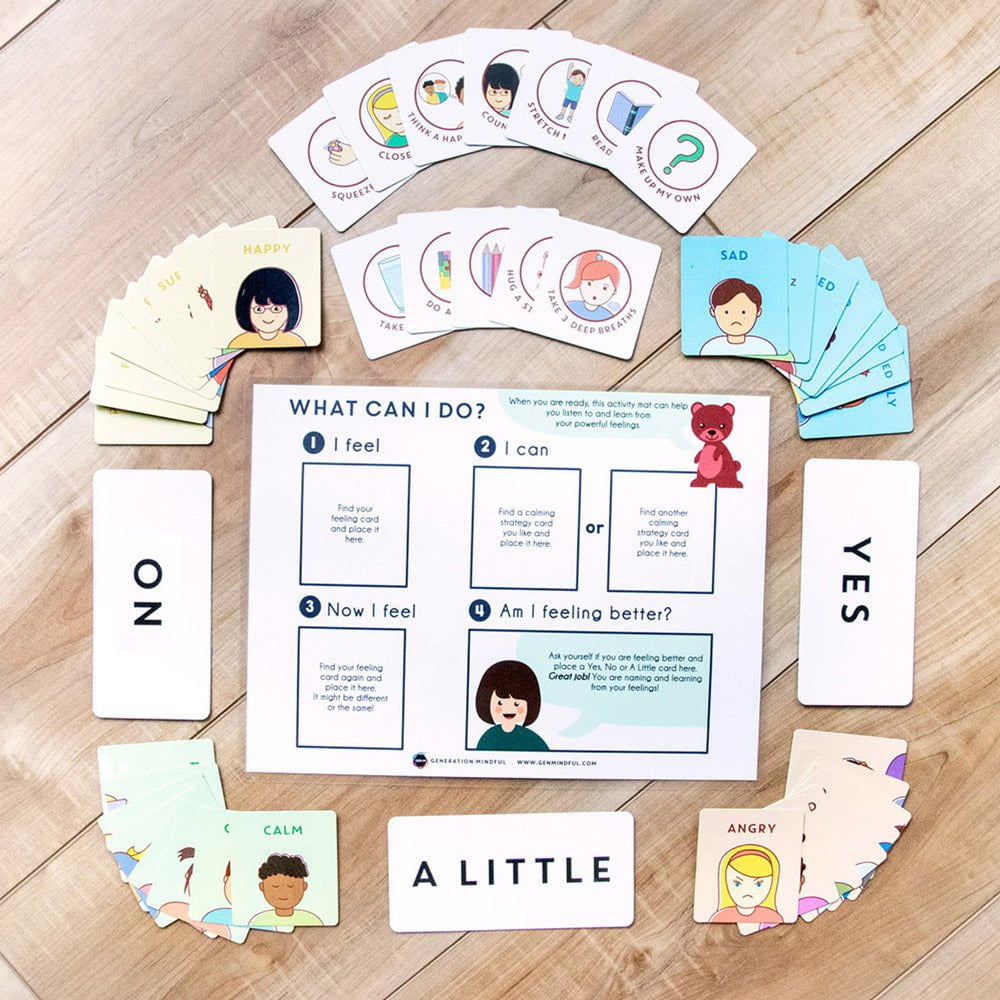
An all-in-one emotional regulation kit. Help your child name what they feel — and model naming what you feel.
- 6 feelings posters
- 35 PeaceMakers affirmation cards
- Activity mat + calming cards
- Digital manual & audiobook
Share
How to Help Kids Deal with Disappointment


My son was seven when his birthday party got cancelled.
Not postponed. Not rescheduled. Cancelled. The venue had a plumbing emergency and called us the night before.
I told him at breakfast. He went completely still. Then his face crumbled and he started to cry in this quiet, gut-wrenching way that was somehow worse than a full meltdown.
I remember what I did next.
I immediately moved into problem-solving mode. "We'll do something better! We can go to the trampoline park, just us. Or maybe us, plus five friends? And we can still have cake. This could actually be more fun."
He didn't want the trampoline park.
He wanted the party we planned. His entire class, eating pizza, having a water balloon fight, and swimming at our community pool from 10 am to 12:30 pm. Today.
He was crushed, and I kept trying to make things better.
More alternatives. More “look at the bright side” reframes. Because I couldn't bear to watch him hurt.
I was doing everything I could think of to help my son feel better... except the one thing that might have actually helped.
I wasn't sitting with him and the pain he was feeling. I was running from it.
That morning taught me something I still think about.
Helping our kids through disappointment isn't about finding the fastest route around their hard feelings. It's about showing them they don't have to run from them, either.
Why Is Feeling Disappointment So Hard (For Them, and For Us)
Let's start with our kids.
Their brains are still developing. The prefrontal cortex, the part reponsible for perspective and emotional regulation, won't be fully mature until the mid-twenties. What IS fully online from birth? The emotional brain. The one that feels everything fast and hard.
So when your child falls apart over something that seems small to you, they're not being dramatic. Their brain literally doesn't have the wiring yet to say "this is disappointing, but I'll be okay." That's the wiring we help them build. One moment at a time.
Now, let’s dive into us. Why do we, the adult brain in the room, struggle when our child is feeling disappointment?
If you think about it, it makes perfect sense for us to struggle, as most of us were never taught how to sit with pain without trying to fix it or to pretend it didn’t exist.
Rather, many of us were taught to make light of hard feelings by moving past them quickly, or denying ourselves the experience of even feeling upset by toughening ourselves up, instead. We do this, because this is what the adults in our lives did for us.
So when our child is hurting, our own nervous system responds. We feel it too. That instinct to make it stop? It's not bad parenting. It's love. It just sometimes gets in the way of what our children actually need from us.
5 Ways to Help Your Child Through Disappointment
1. Stop and stay
The instinct to fix it is strong. I know.
But before you offer alternatives, just... stay. Be with them in it for a moment.
"I know. You were really looking forward to this."
That's it. No "but" after it. No "at least." Just acknowledgement. Full stop.
This is the whole foundation. When a child feels heard, their nervous system begins to settle. And only then can anything else actually land.
2. Name it with them
Something shifts in the brain when you name an emotion out loud. Dr. Dan Siegel calls it "name it to tame it." Putting a word to the feeling activates the thinking brain and starts to calm the emotional response.
"It sounds like you're really disappointed. And maybe a little angry too?"
You don't need to get it perfect. You're just helping them build a vocabulary for their inner world. For younger kids, keep it simple: sad, mad, upset. For older kids, you can go a little deeper: let down, left out, discouraged.
TheTime-In Toolkit has feeling cards that make this part easy and visual, especially for kids who don't have the words yet.
3. Let them feel it without rushing them through
When we fast-forward past a child's disappointment, we accidentally send a message. That their feelings are too much. Or wrong. Or something to escape as quickly as possible.
Staying with them quietly, without fixing, teaches the opposite. It says: your feelings are survivable. I can handle them. And so can you.
You don't have to say much. A hand on their shoulder. Staying close. A face that says I'm not going anywhere.
Sometimes that's everything.
4. Problem-solve after, not during
Here's the timing mistake I made that breakfast morning.
My son was in tears about his party. That was not the moment for trampoline park ideas. I know this. And yet, there I was.
A child who is in the middle of big feelings cannot access their thinking brain. Logic doesn't land there. The window for problem-solving opens after they feel heard, and the initial wave passes.
When you sense they're ready, try asking instead of telling:
-
"What do you think would make this a little better?"
-
"Is there something that might help right now?"
-
"What helped you last time something felt this hard?"
You're not just solving the problem. You're building their belief that hard feelings are workable.
5. Let them see you handle disappointment too
One of the most underrated things we can do is let our kids watch us move through a disappointment of our own.
"I was really looking forward to tonight and it got cancelled. I'm bummed. I'm going to take a short walk and I think I'll feel better."
That's the whole lesson, lived out loud. Naming it. Feeling it. Moving through it. No lecture required.
They're watching. They always are.
The Words That Help (and the Ones That Don't)
When your child is disappointed, these land:
-
"That really is hard. I get it."
-
"It's okay to feel sad about this."
-
"I'm right here."
-
"You were so looking forward to this."
These ones, gently retire them:
-
"It's not a big deal."
-
"You're being so dramatic."
-
"Other kids don't even get to do things like this."
None of those feel cruel when we say them. But to a child who's already overwhelmed, they feel like a door closing. The first list keeps the door open.
What I Know Now
My son did get his birthday party. We pushed it back a day, and hosted it in our backyard. His classmates, a cake, the hundreds of water balloons I’d already filled for the party, minus a pool.
But when I think back to the year my son turned seven, what sticks with me isn’t the party we hustled to replan overnight.
It's the way my son settled that morning when I finally sat down next to him and stopped trying to fix everything. I put my arm around him and said something like, "I know, buddy. This really stinks."
And I’ll never forget the feeling.
He leaned into me, and I felt his body soften.
That was it.
That was the whole thing.
Every time we show up for our kids in the hard moments without rushing them, or trying to fix their feelings, we're making it safe for our kids to feel.
And that is a gift that lasts far longer than any birthday party. Even one with a pool.
If you want to create emotional safety for your child, check out this EQ Parenting Quiz by Generation Mindful. It's a free 3-minute self assessment, and a great place to start.


